
Air Bearing Turbo Blower vs Multistage Centrifugal Blower for WWTP Aeration
Air bearing turbo blower vs multistage centrifugal blower is a common comparison in wastewater treatment plant aeration upgrades. Both blower types can serve clean air aeration duty, but they differ in efficiency profile, pressure range, control method, maintenance, noise, installation, and project budget.
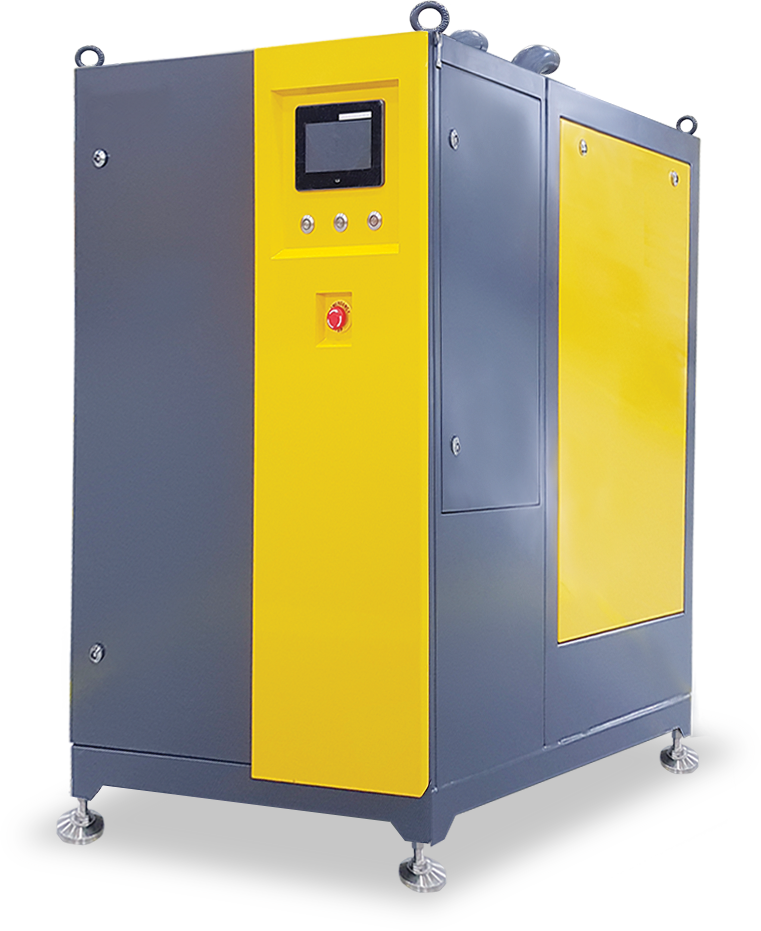
This guide helps engineers and contractors decide which blower concept should be reviewed before requesting a formal selection.
Typical Applications
- Municipal wastewater treatment plant aeration
- Industrial wastewater biological treatment systems
- Fine bubble diffuser aeration upgrades
- Roots blower replacement projects
- Central blower station retrofit projects
Selection Parameters
| Parameter | Why It Matters |
|---|---|
| Airflow range | Determines blower size, turndown, and number of operating units. |
| Discharge pressure | Includes water depth, diffuser resistance, pipeline loss, valves, and filters. |
| Operating hours | Long annual duty makes efficiency and maintenance cost more important. |
| Load variation | Affects whether variable speed turbo blower control is valuable. |
| Site air quality | Turbo blowers require clean inlet air, proper filtration, and blower room ventilation. |
| Maintenance capability | Different blower types require different inspection and service planning. |
Air Bearing Turbo Blower Advantages
- High efficiency at suitable aeration operating points.
- Oil-free operation with no gear oil or bearing lubrication system.
- Compact structure and lower vibration when installed correctly.
- Good match for variable air demand when control logic is designed properly.
- Useful for energy saving retrofits replacing old Roots blowers.
Multistage Centrifugal Blower Advantages
- Proven option for stable continuous operation in many treatment plants.
- Can be suitable for higher pressure or specific centralized blower station layouts.
- Maintenance practice may already be familiar to plant operators.
- Can serve projects where control requirements are simpler or budget structure differs.
- Often evaluated when the plant prefers conventional mechanical equipment.
Engineering Checks
- Confirm minimum, average, and peak airflow demand.
- Check pressure at normal water level, maximum water level, and dirty diffuser condition.
- Review whether one blower type can cover low-load operation without instability.
- Compare actual operating power, not only motor rated power.
- Check blower room inlet filtration, ventilation, temperature, and maintenance access.
- Coordinate blower selection with DO control, air valve control, and standby capacity.
Common Mistakes
- Choosing only by purchase price and ignoring annual electricity cost.
- Using one peak airflow point without checking turndown.
- Ignoring diffuser aging and future pressure increase.
- Installing high speed turbo blowers in dusty or poorly ventilated rooms.
- Not comparing standby strategy and maintenance response time.
Related Reading
- Air Bearing Turbo Blower Energy Saving Calculation for Roots Blower Replacement
- Air Foil Turbo Blower Control Strategy for Dissolved Oxygen in WWTP Aeration
- Wastewater Aeration Blower Redundancy and Standby Capacity for WWTP Operation
FAQ
Is an air bearing turbo blower always better than a multistage centrifugal blower?
No. Air bearing turbo blowers are strong for many energy saving aeration projects, but the final choice depends on airflow, pressure, turndown, control system, site condition, maintenance capability, and budget.
Which blower is better for variable oxygen demand?
A properly selected turbo blower with variable speed control is often suitable for variable demand, but DO sensors, PLC logic, air valves, and blower sequencing must be designed together.
What data is needed for selection?
Please provide minimum, average, and peak airflow, discharge pressure, water depth, diffuser type, operating hours, existing blower power, voltage, frequency, blower room condition, and control requirements.
