
Air Bearing Turbo Blower Energy Saving Calculation for Roots Blower Replacement
Air bearing turbo blower energy saving calculation is one of the first checks for wastewater aeration retrofit projects. Many wastewater treatment plants still use Roots blowers because they are simple and familiar, but the long running hours of aeration systems make blower efficiency a major operating cost.
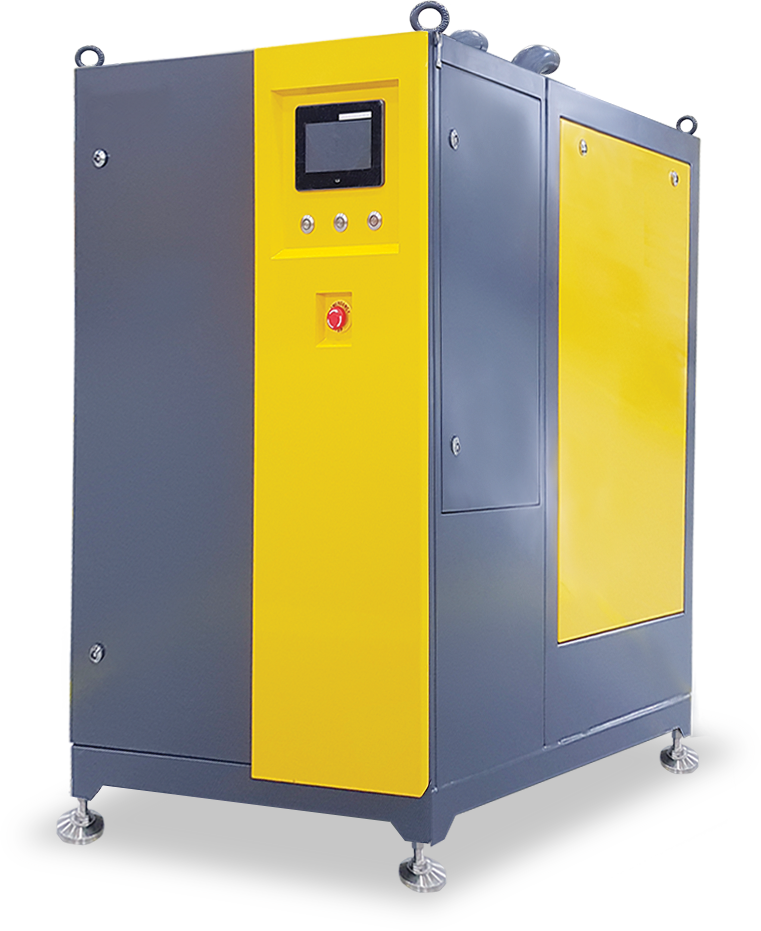
This guide explains how engineers, contractors, and plant owners can compare an air bearing turbo blower with an existing Roots blower before requesting a formal selection.
Where This Calculation Applies
- Municipal wastewater aeration tanks
- Industrial wastewater biological treatment systems
- Fine bubble diffuser aeration retrofits
- Projects replacing old Roots blowers with energy saving blowers
- Blower rooms with clean inlet air and stable ambient conditions
Selection Parameters
| Parameter | Why It Matters |
|---|---|
| Airflow | Defines the oxygen supply capacity and blower operating point. |
| Discharge pressure | Includes water depth, diffuser loss, pipeline resistance, valves, and filter loss. |
| Operating hours | Long annual operating time makes efficiency improvement more valuable. |
| Existing blower power | Provides the baseline for energy cost comparison. |
| Control method | VFD or variable speed control helps match air demand without throttling loss. |
| Air quality | Turbo blowers require clean inlet air, proper filtration, and suitable blower room ventilation. |
Basic Energy Saving Method
Use the actual measured operating power of the existing Roots blower when possible. Nameplate motor power is only a rough reference and can overstate real consumption.
- Confirm existing blower operating power in kW.
- Confirm annual operating hours.
- Estimate the selected turbo blower operating power at the same airflow and pressure.
- Calculate annual saving: power difference x operating hours x electricity price.
- Check payback period against equipment, installation, and maintenance cost.
Example Calculation Structure
| Item | Formula |
|---|---|
| Existing annual energy | Existing operating kW x annual hours |
| New annual energy | Turbo blower operating kW x annual hours |
| Annual kWh saving | Existing annual energy – new annual energy |
| Annual cost saving | Annual kWh saving x electricity price |
| Simple payback | Project cost / annual cost saving |
Engineering Checks Before Replacement
- Confirm pressure at maximum water level and dirty diffuser condition
- Check whether multiple blowers need parallel control
- Review inlet filtration, cooling air path, and blower room temperature
- Confirm voltage, frequency, communication protocol, and control cabinet requirements
- Keep a bypass or standby plan for wastewater plant operation safety
- Avoid applying standard turbo blowers to corrosive, dusty, or high temperature gas without engineering review
Related Reading
- Air Foil Turbo Blower vs Roots Blower for Wastewater Aeration Retrofit
- Wastewater Aeration Blower Pressure Calculation for Diffuser Systems
- Air Bearing Turbo Blower Installation Checklist for Wastewater Aeration Projects
FAQ
Can an air bearing turbo blower directly replace any Roots blower?
No. Airflow, pressure, control range, installation space, inlet air quality, voltage, and site operation requirements must be checked before replacement.
Should the calculation use motor rated power?
Measured operating power is better. Rated motor power is useful only when measured data is unavailable.
What information is needed for selection?
Please provide airflow, pressure, water depth, diffuser type, pipeline layout, existing blower model, operating hours, electricity price, power supply, and control requirements.
