
Air Foil Turbo Blower Control Strategy for Dissolved Oxygen in WWTP Aeration
Air foil turbo blower dissolved oxygen control is important for wastewater treatment plants that want stable biological treatment and lower aeration energy consumption. A high efficiency blower can save power only when the control strategy, dissolved oxygen sensors, pressure range, and airflow demand are coordinated correctly.
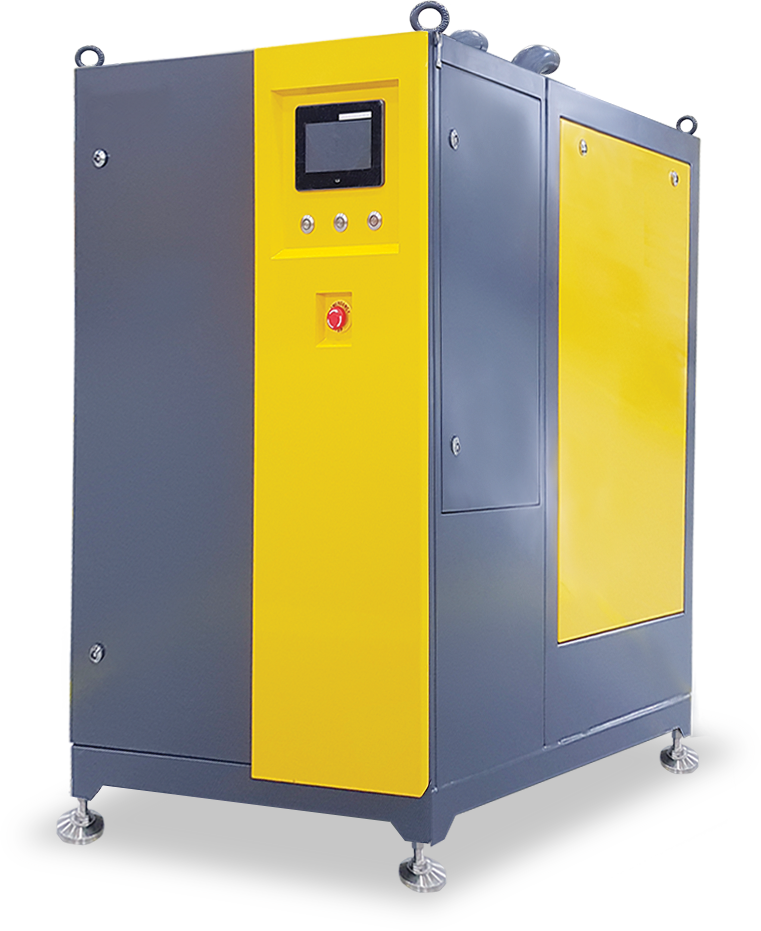
This guide explains the practical checks for using air foil turbo blowers in WWTP aeration systems.
Typical Applications
- Municipal wastewater aeration tanks
- Industrial wastewater biological treatment systems
- Fine bubble diffuser aeration systems
- Roots blower replacement projects
- Energy saving blower room upgrades
Selection Parameters
| Parameter | Why It Matters |
|---|---|
| Required airflow range | Defines whether the blower can match low load and peak load aeration demand. |
| Discharge pressure | Includes water depth, diffuser resistance, pipeline loss, valve loss, and filter loss. |
| DO sensor position | Affects control response and aeration stability in each biological zone. |
| Control method | VFD or high speed inverter control should coordinate with the plant PLC. |
| Number of blowers | Parallel operation needs sequencing logic to avoid surge or inefficient operation. |
| Blower room condition | Clean inlet air, ventilation, and filtration are required for reliable operation. |
Control Strategy Checks
- Confirm the minimum and maximum oxygen demand for each aeration zone.
- Use reliable DO sensor calibration and maintenance procedures.
- Set blower speed limits according to the stable operating range.
- Coordinate air valves, header pressure, and blower sequencing.
- Avoid frequent start-stop operation when stable speed control is possible.
- Keep enough standby capacity for maintenance and abnormal water load conditions.
Common Mistakes
- Selecting the blower only from peak airflow without checking turndown range.
- Using unstable DO sensor readings as the only control input.
- Ignoring diffuser aging and rising pressure loss over time.
- Operating multiple blowers in parallel without sequencing logic.
- Installing turbo blowers in dusty or poorly ventilated blower rooms.
Related Reading
- Air Bearing Turbo Blower Energy Saving Calculation for Roots Blower Replacement
- Wastewater Aeration Blower Pressure Calculation for Diffuser Systems
- Air Foil Turbo Blower vs Roots Blower for Wastewater Aeration Retrofit
FAQ
Can an air foil turbo blower run with automatic DO control?
Yes, if the blower control range, PLC logic, DO sensor quality, air valve arrangement, and header pressure control are designed together.
Is DO control enough for energy saving?
DO control is useful, but the full saving depends on blower efficiency, operating pressure, airflow demand, diffuser condition, and annual running hours.
What information is needed for blower selection?
Please provide airflow range, pressure, water depth, diffuser type, DO control method, number of aeration zones, PLC requirements, voltage, frequency, and blower room conditions.
