
Wastewater Aeration Blower Redundancy and Standby Capacity for WWTP Operation
Wastewater aeration blower redundancy is a key design point for municipal and industrial wastewater treatment plants. Aeration blowers often run continuously, and a blower failure can affect dissolved oxygen, biological treatment stability, effluent quality, and plant operation safety.
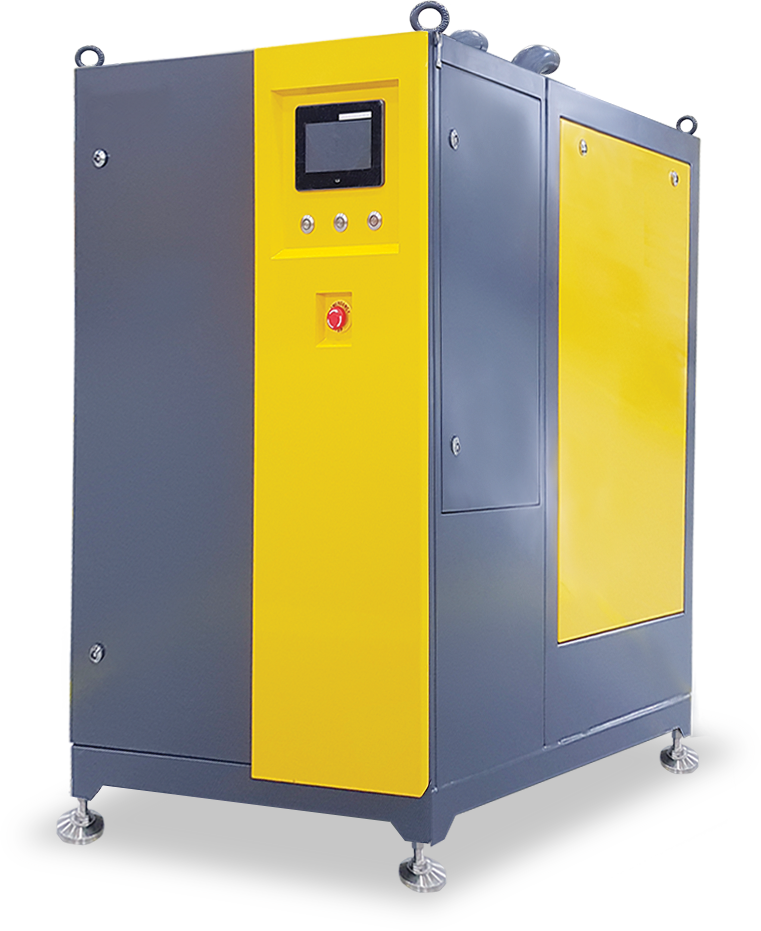
This guide explains how engineers can review standby capacity, blower quantity, airflow range, and maintenance planning before selecting air bearing turbo blowers, air foil turbo blowers, or other aeration blower systems.
Typical Applications
- Municipal wastewater treatment plant aeration
- Industrial wastewater biological treatment
- Fine bubble diffuser aeration systems
- Air bearing turbo blower retrofit projects
- Roots blower replacement and energy saving upgrades
Selection Parameters
| Parameter | Why It Matters |
|---|---|
| Average airflow demand | Defines normal operating blower load and energy consumption. |
| Peak airflow demand | Determines maximum aeration capacity during high load operation. |
| Minimum airflow demand | Helps avoid unstable low-flow operation and excessive cycling. |
| Discharge pressure | Includes water depth, diffuser resistance, pipeline loss, valves, and filters. |
| Blower quantity | Determines duty/standby arrangement and maintenance flexibility. |
| Control method | VFD or high speed inverter control should coordinate with DO control and air valves. |
Common Redundancy Arrangements
- One duty and one standby blower for small systems with simple operation.
- Two duty and one standby blowers for higher capacity plants.
- Multiple smaller blowers to cover low load, average load, and peak load more efficiently.
- Hybrid arrangements where an existing Roots blower remains as emergency backup during retrofit.
- Separate blower groups for different aeration tanks or biological treatment zones.
Engineering Checks
- Confirm oxygen demand at minimum, average, and peak plant loads.
- Check whether one blower can be maintained while the remaining blowers still support required aeration.
- Review diffuser aging and future pressure increase.
- Confirm blower room ventilation, inlet filtration, and maintenance access.
- Coordinate blower sequencing with DO sensors, air valves, and header pressure control.
- Review power supply and control cabinet requirements for all duty and standby units.
Common Mistakes
- Selecting only one large blower without standby capacity.
- Using peak airflow as the only design point and ignoring low load operation.
- Forgetting that diffuser pressure loss can increase after long service.
- Keeping a standby blower but not testing it regularly.
- Replacing Roots blowers without checking control logic and blower room air quality.
Related Reading
- Air Foil Turbo Blower Control Strategy for Dissolved Oxygen in WWTP Aeration
- Air Bearing Turbo Blower Energy Saving Calculation for Roots Blower Replacement
- Wastewater Aeration Blower Inlet Filtration and Room Ventilation Requirements
FAQ
How much standby capacity does a wastewater aeration system need?
The standby arrangement depends on plant size, process risk, required oxygen demand, maintenance plan, and local engineering standard. Many projects use at least one standby blower.
Is one large turbo blower better than several smaller blowers?
Not always. Several smaller blowers can improve turndown, redundancy, and maintenance flexibility, but the final choice depends on airflow range, budget, and control strategy.
What data is needed for selection?
Please provide average and peak airflow, minimum airflow, pressure, water depth, diffuser type, number of aeration tanks, operating schedule, power supply, and control requirements.
