
Boiler ID Fan and FD Fan Coordinated Control for Stable Furnace Draft
Boiler ID fan FD fan coordinated control is essential for stable furnace draft, combustion efficiency, boiler safety, and emission control. The forced draft fan supplies combustion air, while the induced draft fan removes flue gas and controls furnace pressure. If the two fans are not coordinated, the boiler may face unstable flame, positive furnace pressure, excessive air, high power consumption, or poor combustion.
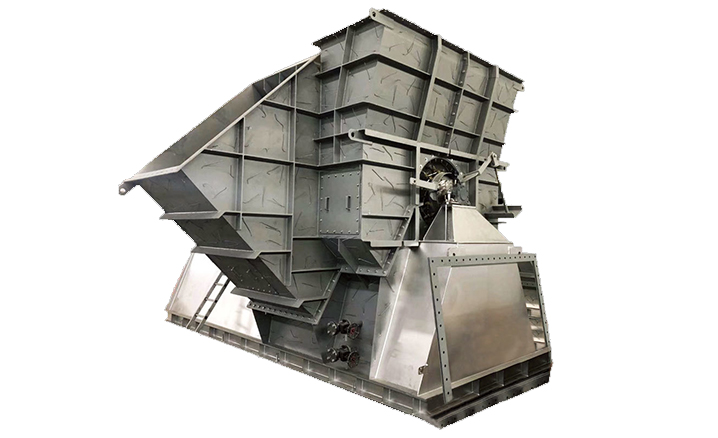
This guide explains the practical checks for coordinating ID fans and FD fans in industrial boiler systems.
Typical Applications
- Biomass boiler combustion systems
- Coal boiler flue gas systems
- Gas boiler air and draft control
- Waste heat boiler exhaust systems
- Heavy duty furnace and process fan systems
Selection Parameters
| Parameter | Selection Impact |
|---|---|
| FD fan airflow and pressure | Defines available combustion air and burner or grate air supply capacity. |
| ID fan airflow and pressure | Defines flue gas removal capacity and furnace negative pressure range. |
| Fuel type and load range | Biomass, coal, and gas boilers have different air demand and flue gas behavior. |
| Control method | VFD and damper control affect response speed, stability, and energy consumption. |
| System pressure loss | Includes air duct, burner, grate, economizer, dust collector, desulfurization unit, and stack. |
| Instrumentation | Oxygen analyzer, furnace pressure transmitter, and flow signals support stable control. |
Engineering Checks
- Confirm whether fan duty is static pressure or total pressure.
- Review FD fan and ID fan performance curves together, not as isolated equipment.
- Check furnace pressure setpoint and alarm limits.
- Coordinate VFD speed control with damper position to avoid inefficient throttling.
- Confirm enough ID fan margin for dirty dust collector and high flue gas resistance.
- Review start-up and shutdown sequence for safe draft control.
Common Mistakes
- Oversizing FD fan without checking ID fan draft capacity.
- Using damper throttling as the main control method when VFD would reduce power consumption.
- Ignoring dust collector resistance increase during dirty operation.
- Using one fixed operating point for all boiler loads.
- Missing instrument signal quality and control loop tuning in the commissioning plan.
Related Reading
- Boiler FD Fan and Secondary Air Fan Selection for Biomass Combustion Systems
- Boiler ID Fan Material and Wear Protection for High Dust Flue Gas
- Boiler ID Fan Vibration Causes and Troubleshooting Checklist
FAQ
Why must ID fan and FD fan control be coordinated?
The FD fan controls combustion air supply, while the ID fan controls flue gas removal and furnace pressure. Stable boiler operation requires both fans to respond together.
Should both fans use VFD control?
VFD control is often recommended for variable boiler load, but final selection depends on load range, control philosophy, motor size, and project budget.
What information is needed for fan selection?
Please provide boiler capacity, fuel type, FD fan airflow and pressure, ID fan airflow and pressure, flue gas temperature, dust collector data, stack resistance, control method, voltage, and frequency.
