
Boiler ID Fan Material and Wear Protection for High Dust Flue Gas
Boiler ID fan wear protection is critical in biomass boilers, coal boilers, waste heat boilers, cement plant systems, and other high dust flue gas applications. The induced draft fan must handle temperature, ash, particulate abrasion, corrosion risk, and continuous duty while maintaining stable draft.
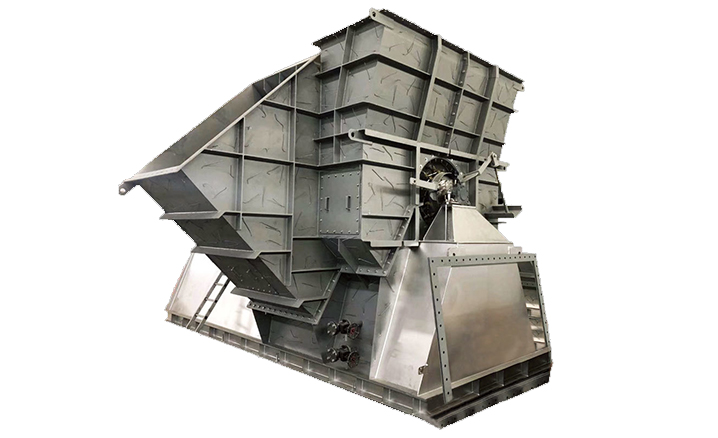
This guide summarizes the main material and protection checks before selecting a heavy duty boiler ID fan.
Typical Applications
- Biomass boiler induced draft fans
- Coal boiler flue gas fans
- Waste heat boiler exhaust systems
- Cement plant process fans
- Heavy duty process fans for dusty gas handling
Selection Parameters
| Parameter | Selection Impact |
|---|---|
| Airflow and pressure | Determines fan size, impeller speed, motor power, and operating margin. |
| Gas temperature | Affects impeller material, shaft design, bearing arrangement, and thermal expansion. |
| Dust concentration | Determines wear plate, casing liner, blade thickness, and inspection interval. |
| Dust type | Ash, silica, clinker dust, and biomass ash have different abrasion behavior. |
| Corrosion risk | Sulfur, moisture, acid dew point, and cleaning method affect material selection. |
| Operating control | VFD or damper control affects efficiency, vibration, and operating point stability. |
Wear Protection Options
- Thicker impeller blade and back plate design for abrasive gas.
- Wear-resistant plate or hardfacing on high-impact blade areas.
- Casing liner at the scroll tongue and high velocity wear zones.
- Inspection door design for maintenance access and ash cleaning.
- Suitable balancing grade after wear protection is applied.
- Drain or cleaning consideration when condensation may occur.
Engineering Checks
- Confirm whether the fan is located before or after dust removal equipment.
- Check maximum flue gas temperature and emergency temperature condition.
- Review dust concentration at normal operation and upset operation.
- Confirm corrosion risk below acid dew point.
- Specify inspection doors, drain, bearing temperature monitoring, and vibration monitoring where needed.
- Coordinate ID fan control with FD fan and furnace pressure control.
Common Mistakes
- Selecting a standard clean air centrifugal fan for dusty flue gas.
- Ignoring abrasion at the casing tongue and impeller inlet side.
- Using only normal temperature without checking start-up and upset temperature.
- Oversizing the fan and operating far from the efficient range.
- Missing maintenance access in the layout stage.
Related Reading
- Boiler Induced Draft Fan Selection for High Dust Flue Gas Systems
- Boiler ID Fan Vibration Causes and Troubleshooting Checklist
- Boiler FD Fan and Secondary Air Fan Selection for Biomass Combustion Systems
FAQ
Can a standard ID fan handle high dust flue gas?
Only if the dust load and abrasion risk are low. High dust systems normally require stronger impeller design, wear protection, and inspection access.
Is stainless steel required for every boiler ID fan?
No. Material depends on temperature, corrosion risk, acid dew point, moisture, dust type, and project standards.
What information is needed for selection?
Please provide airflow, pressure, gas temperature, dust concentration, dust type, fuel type, dust collector layout, corrosion risk, voltage, frequency, control method, and installation arrangement.
