
Boiler ID Fan Vibration Causes and Troubleshooting Checklist
Boiler ID fan vibration troubleshooting should start with operating data, not only visual inspection. Induced draft fans handle flue gas, ash, dust, temperature changes, and changing furnace draft. Vibration may come from impeller dust buildup, wear, bearing damage, coupling misalignment, foundation looseness, rotor imbalance, casing stress, or unstable airflow.
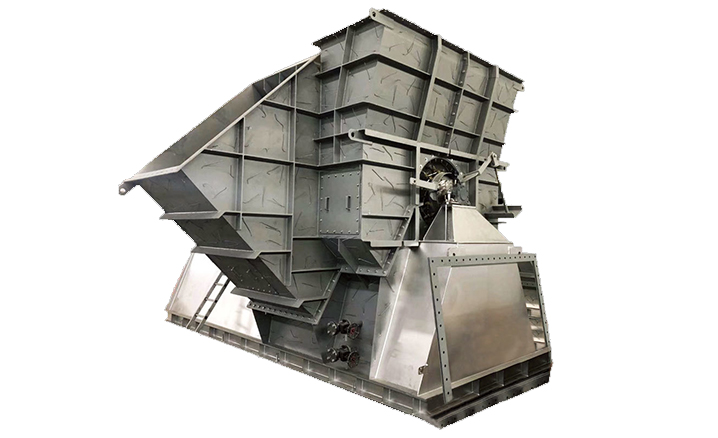
This guide is intended for biomass boilers, coal-fired boilers, industrial steam boilers, cement kiln exhaust, and heavy duty process fan systems where stable draft control and reliable operation are required.
Typical Applications
- Boiler induced draft fan systems
- Biomass boiler flue gas exhaust
- Coal-fired boiler ID fan retrofit
- Dusty flue gas and ash handling systems
- Cement kiln and cooler exhaust fans
- Heavy duty process ventilation fans
Common Vibration Causes
| Cause | What to Check |
|---|---|
| Impeller dust buildup | Check uneven ash deposit, sticky dust, and cleaning interval. |
| Impeller wear | Inspect blade thickness, leading edge wear, and balance condition. |
| Bearing issue | Check bearing temperature, lubrication, noise, clearance, and vibration spectrum. |
| Coupling or belt problem | Check alignment, belt tension, pulley wear, and coupling element damage. |
| Foundation looseness | Check anchor bolts, grout, base frame stiffness, and support cracks. |
| Thermal expansion stress | Check hot alignment, casing expansion, duct force, and flexible connector condition. |
| Airflow instability | Check damper position, surge zone, inlet distortion, and operating point on the fan curve. |
Troubleshooting Sequence
- Record vibration value, bearing temperature, motor current, airflow, pressure, and damper position
- Compare current vibration with historical baseline after cleaning and after load changes
- Inspect impeller dust buildup and wear before replacing bearings
- Check foundation bolts, coupling alignment, and duct stress
- Confirm that the fan is not operating near an unstable region of the performance curve
- Perform dynamic balancing after cleaning or repairing the impeller
Data Needed for Diagnosis
- Fan model, speed, motor power, drive type, and bearing model
- Operating temperature, gas medium, dust content, airflow, and pressure
- Vibration value at motor, bearing housing, and fan casing
- Maintenance history, cleaning interval, and previous balancing report
- Foundation layout, duct connection, damper position, and startup/shutdown behavior
Common Mistakes
- Replacing bearings before checking impeller dust accumulation
- Balancing a dirty impeller instead of cleaning it first
- Ignoring duct force and thermal expansion stress
- Running the fan too far away from the designed operating point
- Using a standard impeller in high-wear dusty flue gas without wear protection
Related Reading
- Boiler Induced Draft Fan Selection for High Dust Flue Gas Systems
- Wear Resistant Boiler Induced Draft Fan for Dusty Flue Gas Systems
- Boiler FD Fan Combustion Air Selection for Biomass and Coal Boilers
FAQ
Why does boiler ID fan vibration increase after long operation?
Common reasons include ash buildup, impeller wear, bearing deterioration, loose foundation bolts, duct stress, or operation near an unstable airflow range.
Should the impeller be balanced before or after cleaning?
The impeller should be cleaned and inspected first. Balancing a dirty or damaged impeller can hide the real cause.
What information is needed for troubleshooting support?
Please provide fan model, speed, vibration value, bearing temperature, gas temperature, dust condition, operating pressure, airflow, drive type, and photos of the impeller and foundation.
