
Wastewater Aeration Blower Energy Saving Selection for Municipal WWTPs
Wastewater aeration blower energy saving selection should start from real plant demand, not only motor power. In municipal wastewater treatment plants, aeration airflow changes with influent load, dissolved oxygen setpoint, diffuser condition, tank depth, and process control strategy.
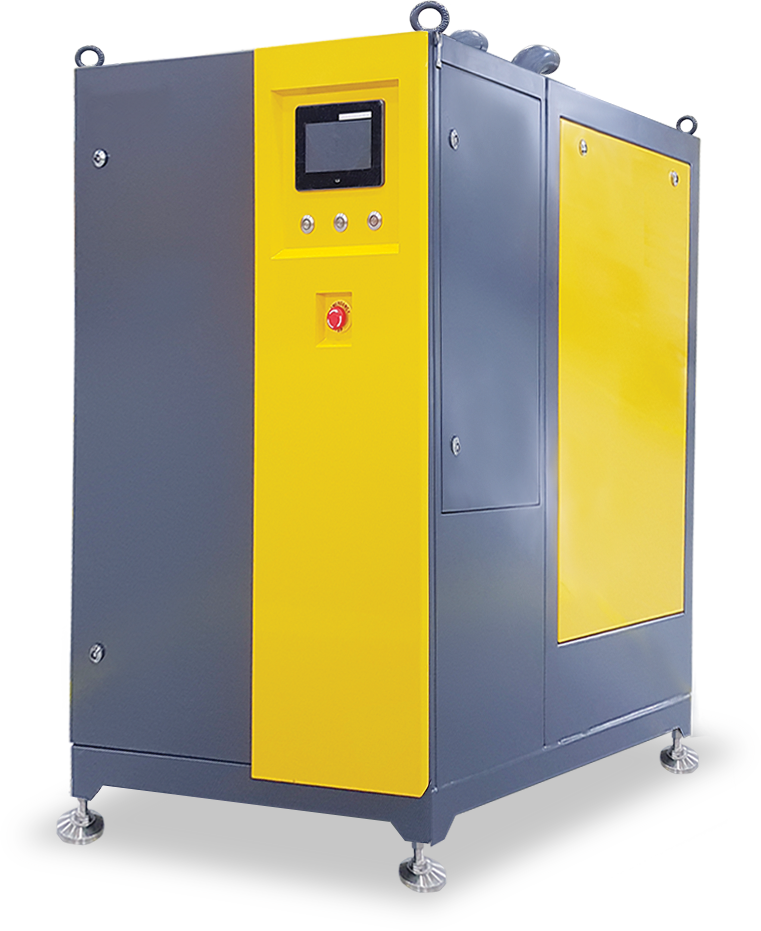
For Zhichengfans, municipal aeration is a core product direction because it connects high-value air foil turbo blowers, air bearing turbo blowers, and Roots blower replacement projects with clear energy-saving buyer demand.
Typical Applications
- Municipal wastewater treatment plants
- Activated sludge aeration tanks
- SBR and MBR aeration systems
- Roots blower replacement projects
- Energy-saving retrofit projects
- DO control and PLC automation systems
Selection Parameters
- Minimum, normal, and maximum airflow
- Discharge pressure and tank water depth
- Diffuser resistance and aging condition
- Pipeline, valve, and header pressure loss
- Operating hours per year
- Electricity price and expected payback target
- DO control requirement and PLC communication
- Power supply voltage, frequency, ambient temperature, and altitude
Energy Saving Notes
Energy saving depends on the real operating point. A blower with high rated efficiency may still waste power if it is oversized or operated outside the normal demand range. For retrofit projects, current blower data, actual DO control, tank depth, diffuser condition, and load variation should be checked before selecting a new blower.
Blower Options
- Air foil turbo blower for clean-air energy-saving aeration
- Air bearing turbo blower for high-end automatic control projects
- Multistage centrifugal blower for stable continuous aeration
- Roots blower as a lower-budget option for simple conditions
Related Reading
- Air Bearing Turbo Blower for DO Control
- Air Foil Turbo Blower for SBR Wastewater Aeration
- Roots Blower Replacement with Air Bearing Turbo Blower
FAQ
Which blower saves the most energy?
It depends on airflow range, pressure, operating hours, control strategy, and site conditions. Air foil and air bearing turbo blowers are often strong options for clean-air aeration.
Can a Roots blower be replaced directly?
Not always. The replacement should be checked by airflow, pressure, control range, filtration, ventilation, and power supply.
What data is needed for selection?
Please send airflow range, pressure, tank depth, diffuser data, operating hours, electricity cost, voltage, frequency, ambient temperature, altitude, and control requirements.
