
Air Bearing Turbo Blower for Dissolved Oxygen Control in Wastewater Aeration
An air bearing turbo blower for dissolved oxygen control helps wastewater treatment plants adjust aeration airflow according to biological oxygen demand. Compared with fixed-speed blowers, a properly controlled turbo blower can support stable DO control and reduce unnecessary energy use.
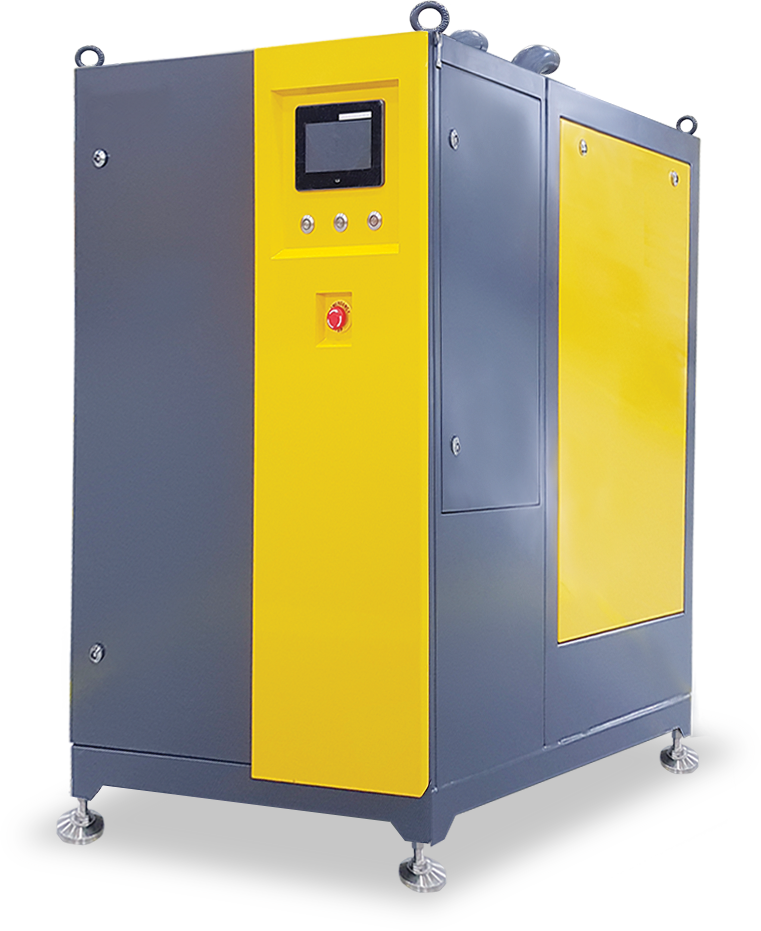
For Zhichengfans, this topic connects air bearing turbo blower technology with real wastewater plant operation, especially for plants upgrading from Roots blowers or improving aeration automation.
Typical Applications
- Municipal wastewater aeration tanks
- Industrial wastewater treatment plants
- Activated sludge systems
- MBR and SBR aeration systems
- Roots blower replacement projects
- Energy-saving aeration retrofit projects
Selection Parameters
- Minimum, normal, and maximum airflow
- Discharge pressure and water depth
- Diffuser and pipeline resistance
- Required DO setpoint and control logic
- PLC communication signal requirements
- Operating hours and load variation
- Ambient temperature and altitude
- Voltage, frequency, and power supply stability
Control Notes
DO control requires more than selecting the blower capacity. The blower response, minimum stable airflow, valve arrangement, PLC signal, sensor location, and control loop tuning should be reviewed together. If multiple blowers operate in parallel, the sequencing logic must also be confirmed.
Site Requirements
Air bearing turbo blowers are designed for clean air. The inlet should be filtered, and the blower room should have good ventilation. Dust, corrosive gas, water mist, high humidity, or high temperature can reduce reliability and should be avoided.
Related Reading
- Air Bearing Turbo Blower Control System for Wastewater Aeration
- Roots Blower Replacement with Air Bearing Turbo Blower
- Air Foil Turbo Blower for SBR Wastewater Aeration
FAQ
Can an air bearing turbo blower follow a DO signal?
Yes, if the control system, signal type, airflow range, and PLC logic are configured correctly.
Does DO control always save energy?
Not automatically. Energy saving depends on blower sizing, real load variation, control strategy, and operating hours.
What data is needed for selection?
Please send airflow range, pressure, tank depth, diffuser data, DO control requirement, PLC signal, voltage, frequency, ambient temperature, and altitude.
