
High Temperature Recirculation Fan Material Selection for Food and Chemical Drying Lines
High temperature recirculation fan material selection is critical for food drying lines, chemical drying systems, coating ovens, heat treatment ovens, and industrial hot air circulation systems. The fan material must match the operating temperature, humidity, gas composition, cleaning method, and continuous-duty requirement.
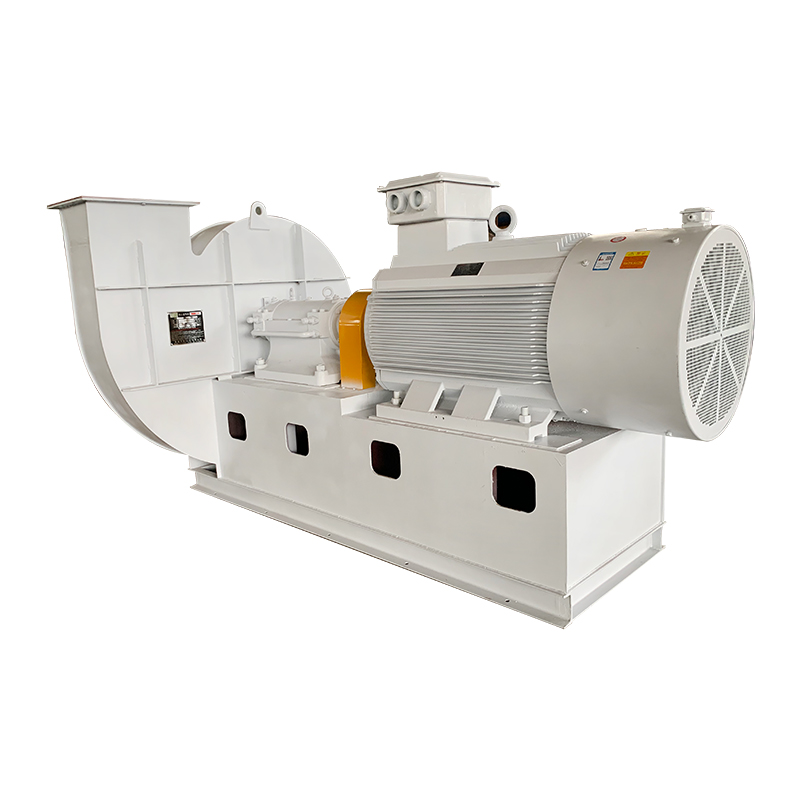
This guide summarizes the practical checks before selecting carbon steel, stainless steel, coated steel, or special high temperature fan construction.
Typical Applications
- Food drying ovens and continuous drying lines
- Chemical powder and granule drying systems
- Coating line and curing oven hot air circulation
- Building material drying and kiln auxiliary systems
- Industrial heat recirculation and process drying
Selection Parameters
| Parameter | Selection Impact |
|---|---|
| Operating temperature | Determines casing, impeller, shaft, seal, bearing, and insulation design. |
| Humidity | Condensation and wet cleaning can increase corrosion risk. |
| Gas composition | Acidic, alkaline, solvent, or dusty gas affects material and coating selection. |
| Cleanliness requirement | Food drying systems may need smoother surfaces and suitable stainless steel contact areas. |
| Drive arrangement | Belt drive or coupling drive can keep the motor away from high temperature zones. |
| Maintenance access | Inspection doors and cleaning access reduce downtime in drying production lines. |
Material Options
- Carbon steel can be used for many general hot air circulation duties when corrosion risk is low.
- Stainless steel is considered when humidity, cleaning, hygiene, or corrosion risk is higher.
- Coated carbon steel may be suitable for moderate corrosion, but coating damage and temperature limit must be reviewed.
- Heat-resistant steel or special alloy may be required for higher temperature or severe service.
- Fasteners, shaft sleeves, seals, and access doors should be reviewed with the same material logic.
Engineering Checks
- Confirm normal temperature, maximum temperature, and start-up temperature profile.
- Check whether the gas contains acids, alkalis, solvent vapor, oil mist, or fine powder.
- Review cleaning method, washdown risk, and condensation condition.
- Confirm if the fan handles product-contact air or only process circulation air.
- Check bearing cooling, motor heat exposure, and shaft heat transfer.
- Specify inspection door, drain, insulation, and vibration monitoring requirements where needed.
Common Mistakes
- Choosing stainless steel only by name without checking the grade and service condition.
- Ignoring condensation during shutdown or cleaning.
- Using coating in a temperature range beyond the coating limit.
- Forgetting that shaft, fasteners, and seals may fail even if the casing material is correct.
- Selecting a fan layout that makes cleaning and inspection difficult.
Related Reading
- High Temperature Circulation Fan Material Selection for Coating and Galvanizing Lines
- High Temperature Circulation Fan Thermal Expansion and Casing Insulation for Galvanizing Lines
- Coating Line Circulation Fan Airflow Balance for Drying Oven Quality Control
FAQ
Is stainless steel always required for food drying fans?
No. Stainless steel may be required in product-contact, humid, washable, or corrosive zones, but the final choice depends on process design, hygiene requirement, temperature, and cleaning method.
Can coated carbon steel replace stainless steel?
Sometimes, but coating temperature limit, abrasion, cleaning method, and coating damage risk must be reviewed before selection.
What data is needed for selection?
Please provide airflow, pressure, temperature, humidity, gas composition, product type, cleaning method, material requirement, installation layout, drive preference, voltage, and operating schedule.
