
High Temperature Circulation Fan Thermal Expansion and Casing Insulation for Galvanizing Lines
High temperature fan thermal expansion is a major design point for galvanizing lines, coating lines, drying ovens, curing ovens, and hot air recirculation systems. When the casing, shaft, bearing support, duct connection, and base frame heat at different rates, the fan can face vibration, seal rubbing, bearing temperature rise, and duct stress.
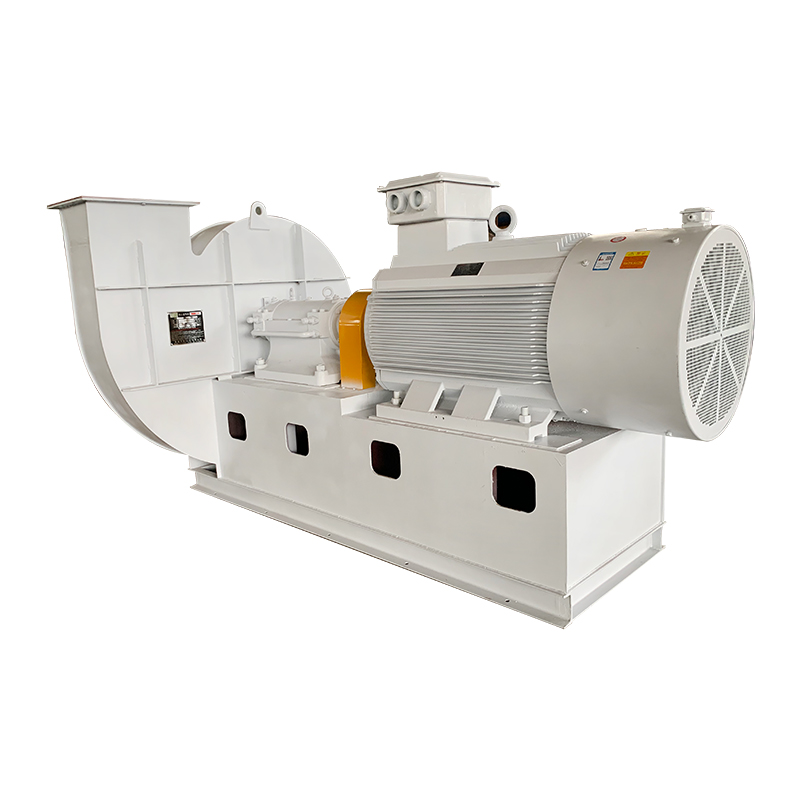
This guide explains the practical checks engineers should confirm before selecting a high temperature circulation fan for continuous production line operation.
Typical Applications
- Galvanizing line hot air circulation
- Color coating line drying oven circulation
- Paint curing oven recirculation
- Metal surface treatment drying systems
- Industrial furnace and oven recirculation fans
Selection Parameters
| Parameter | Engineering Impact |
|---|---|
| Normal and maximum temperature | Determines material, insulation, shaft extension, and bearing protection. |
| Temperature fluctuation | Frequent heating and cooling cycles increase expansion and alignment risk. |
| Casing insulation | Reduces heat loss and protects nearby drive components. |
| Duct expansion joint | Prevents external duct force from being transferred to the fan casing. |
| Drive arrangement | Belt drive or coupling drive may provide better heat separation than direct drive. |
| Bearing location | Distance from the hot casing affects bearing temperature and service life. |
Engineering Checks
- Confirm continuous operating temperature, peak temperature, and heating cycle.
- Use suitable casing material and impeller material for the actual gas temperature.
- Leave enough clearance around expansion joints, inspection doors, and drain points.
- Check whether the bearing housing is outside the main heat zone.
- Review hot alignment for coupling driven fans after warm-up.
- Specify insulation thickness, outer cladding, and maintenance access before fabrication.
Common Mistakes
- Using only room-temperature dimensions when checking fan and duct fit-up.
- Connecting rigid ductwork directly to a high temperature fan without expansion allowance.
- Placing the motor too close to the hot casing or oven wall.
- Ignoring thermal growth of the base frame and support structure.
- Selecting standard grease or seals without checking continuous temperature.
Related Reading
- High Temperature Circulation Fan Bearing Cooling and Drive Arrangement for Drying Ovens
- High Temperature Circulation Fan Insulation Design for Coating and Drying Ovens
- High Temperature Circulation Fan Airflow Uniformity for Coating Line Drying Ovens
FAQ
Does insulation remove the need for bearing cooling?
No. Insulation reduces heat transfer, but bearing cooling still depends on temperature, shaft design, distance from the casing, operating time, and lubrication method.
Why are expansion joints important?
Expansion joints reduce duct stress on the fan casing when the oven, duct, and fan heat up during operation.
What data is required for fan selection?
Please provide airflow, pressure, gas temperature, oven layout, installation position, duct connection, insulation requirement, drive type, motor voltage, and operating schedule.
