
High Temperature Circulation Fan Airflow Uniformity for Coating Line Drying Ovens
High temperature circulation fan airflow uniformity is critical for coating line drying ovens, galvanizing line heating sections, curing ovens, and industrial drying chambers. The fan must provide enough recirculation air, but uniform drying also depends on duct balance, nozzle velocity, oven zone layout, return air path, temperature control, and pressure loss.
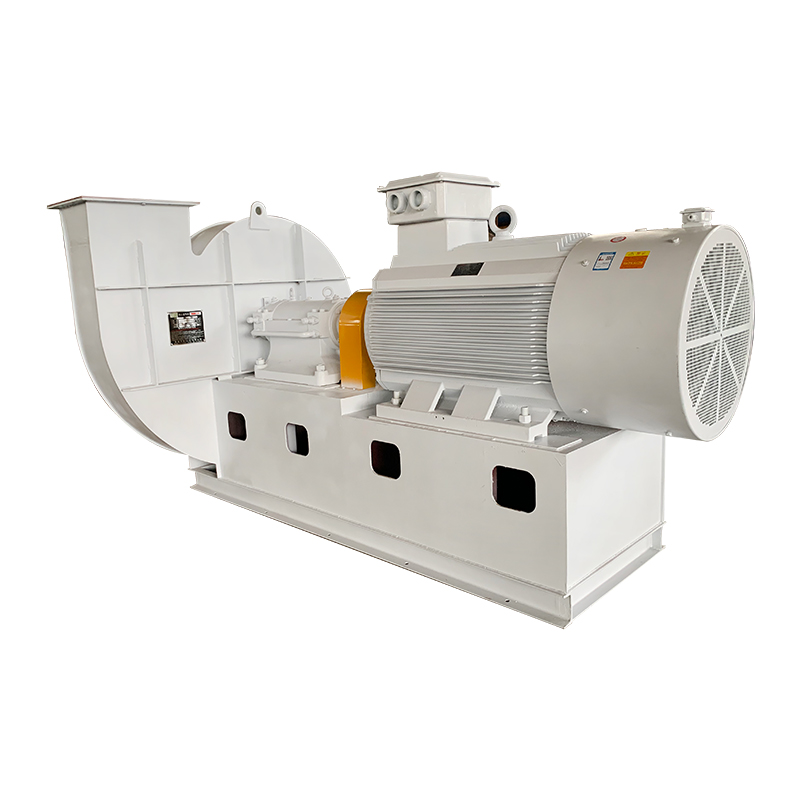
If airflow is uneven, the production line may see color difference, incomplete drying, coating defects, edge overheating, slow line speed, or higher energy consumption. Fan selection should therefore be reviewed together with oven structure and air distribution design.
Typical Applications
- Color coating line drying ovens
- Galvanizing line hot air circulation
- Paint curing ovens
- Industrial web drying systems
- Heat treatment and curing chambers
- Building material and surface treatment drying lines
Airflow Uniformity Factors
| Factor | Selection Impact |
|---|---|
| Recirculation airflow | Determines heat transfer capacity and drying speed. |
| Nozzle or slot velocity | Affects surface drying, coating quality, and temperature uniformity. |
| Duct resistance balance | Unequal branch resistance causes uneven air distribution across oven width. |
| Return air path | Poor return air can create dead zones and local overheating. |
| Fan pressure margin | Must cover duct, heater, filter, nozzle, and damper resistance without oversizing. |
| Operating temperature | Changes air density and fan performance; correction may be required. |
| Damper and VFD control | Used to balance zones and adjust airflow during production changes. |
Commissioning Checks
- Measure temperature difference across oven width and length
- Check nozzle or slot air velocity at multiple positions
- Record fan current, speed, airflow, and pressure at production temperature
- Adjust dampers after oven reaches stable operating temperature
- Confirm that bearing temperature and vibration remain stable during continuous operation
- Review coating quality, drying time, and line speed after airflow adjustment
Common Design Mistakes
- Selecting fan airflow without checking oven duct distribution
- Ignoring air density correction at high temperature
- Using too much pressure margin and increasing power consumption
- Installing the fan where return air is blocked or distorted
- Forgetting access for damper adjustment, bearing inspection, and impeller cleaning
Inquiry Checklist
- Oven length, width, zone layout, and production line speed
- Required drying temperature, maximum temperature, and temperature uniformity target
- Airflow, pressure, nozzle layout, duct drawing, and return air path
- Gas medium, humidity, solvent vapor, or corrosive vapor risk
- Drive type, motor voltage, frequency, installation layout, and maintenance space
Related Reading
- High Temperature Circulation Fan Insulation Design for Coating and Drying Ovens
- High Temperature Circulation Fan Material Selection for Coating and Galvanizing Lines
- High Temperature Circulation Fan for Continuous Drying Line Airflow Uniformity
FAQ
Is higher fan airflow always better for drying ovens?
No. Excessive airflow can waste energy and disturb coating quality. The airflow should match heat transfer needs, nozzle design, duct resistance, and product requirements.
Why is airflow uneven across the oven width?
Common causes include unequal branch duct resistance, poor nozzle layout, blocked return air, incorrect damper setting, or fan operating point mismatch.
What data is needed for fan selection?
Please provide oven dimensions, temperature, airflow, pressure, duct layout, nozzle design, production line speed, gas medium, motor data, and installation drawing.
