
Wet Scrubber Exhaust Fan Selection for VOC Odor and Corrosive Gas Treatment
Wet scrubber exhaust fan selection requires more than matching airflow and pressure. VOC odor treatment, acid mist, alkali mist, humid exhaust, and corrosive gas can damage the casing, impeller, shaft seal, motor, and fasteners if the material and arrangement are not selected correctly.
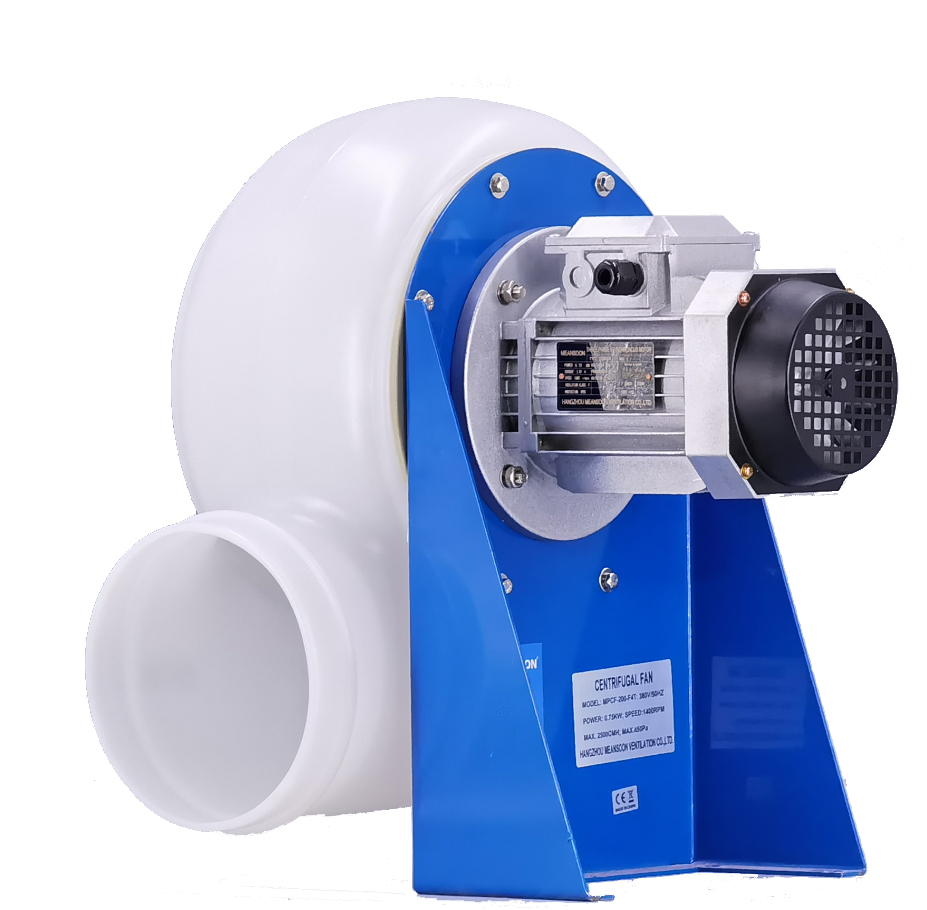
This article summarizes the practical selection checks for scrubber exhaust systems used in chemical plants, surface treatment workshops, coating lines, battery plants, laboratories, and environmental protection projects.
Typical Applications
- Wet scrubber exhaust for acid mist and alkali mist
- VOC odor collection and exhaust treatment
- Activated carbon adsorption system exhaust fans
- Chemical process ventilation and workshop extraction
- Spray tower and packed tower exhaust systems
Selection Parameters
| Parameter | Selection Impact |
|---|---|
| Gas composition | Determines whether carbon steel, stainless steel, FRP, PP, or special coating is required. |
| Humidity and droplets | Wet gas may need drainage, anti-corrosion structure, and inlet protection. |
| System pressure loss | Includes duct, hood, scrubber tower, packing layer, demister, damper, and stack resistance. |
| Temperature | Affects material, bearing arrangement, coating, and motor location. |
| Explosion risk | VOC systems may require explosion-proof motor and anti-static design review. |
| Installation location | Outdoor installation may require rain cover, drain, access platform, and anti-vibration base. |
Material Selection Notes
- FRP fans are commonly used for acid mist and corrosive wet gas.
- PP fans can be used in specific low temperature corrosive gas conditions.
- Stainless steel fans may be suitable for humidity and some chemical exhaust, but grade selection must match the medium.
- Carbon steel with coating may be used for less corrosive exhaust, but coating damage must be considered.
- Fasteners, shaft sleeves, seals, and drain structures should not be ignored.
Common Mistakes
- Using a dust collector fan directly after a wet scrubber without corrosion review
- Ignoring pressure loss of packing, demister, and dirty operating condition
- Locating the fan where condensate accumulates in the casing
- Selecting material from a general gas name without checking concentration and temperature
- Missing explosion-proof requirements for VOC exhaust projects
Inquiry Checklist
- Airflow and required pressure
- Gas composition, concentration, humidity, and temperature
- Scrubber type, packing layer, demister, duct route, and stack height
- Preferred material: FRP, PP, stainless steel, or coated carbon steel
- Indoor or outdoor installation
- Motor voltage, frequency, explosion-proof requirement, and control method
Related Reading
- Acid Mist Scrubber Exhaust Fan Material Selection for Corrosive Gas Treatment
- Dust Collection Fan Static Pressure Calculation for Baghouse and Duct Systems
- Dust Collector Fan Wear Protection for Abrasive Dust and Baghouse Systems
FAQ
Is FRP always better for scrubber exhaust fans?
No. FRP is common for corrosive wet gas, but actual selection depends on gas composition, temperature, concentration, mechanical strength, and site requirements.
Should the fan be placed before or after the scrubber?
Both layouts exist. The final arrangement depends on process design, corrosion risk, leakage control, maintenance access, and pressure distribution.
What data is needed for quotation?
Please provide airflow, pressure, gas composition, temperature, humidity, scrubber resistance, duct layout, material preference, voltage, frequency, and explosion-proof requirement.
