
Dust Collector Fan Wear Protection for Abrasive Dust and Baghouse Systems
Dust collector fan wear protection is important when the fan handles abrasive dust, fine particles, cement dust, mineral powder, wood dust, metal dust, or high dust concentration exhaust. In baghouse and cyclone dust collection systems, fan wear can reduce efficiency, increase vibration, damage the impeller, and shorten maintenance intervals.
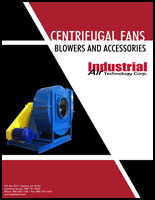
The correct fan selection should consider airflow, static pressure, dust type, dust concentration, particle size, temperature, inlet arrangement, impeller speed, casing thickness, wear liner, and inspection access.
Typical Applications
- Baghouse dust collection systems
- Cyclone dust collector exhaust
- Cement plant dust extraction
- Woodworking dust collection
- Metal grinding and polishing exhaust
- Mineral powder and building material dust treatment
Wear Protection Factors
| Factor | Selection Impact |
|---|---|
| Dust abrasiveness | Hard particles require stronger material, liner, or lower tip speed. |
| Dust concentration | High concentration increases impeller and casing wear rate. |
| Particle size | Large particles can damage the inlet cone, blade leading edge, and casing tongue. |
| Fan position | Placing the fan after the dust collector normally reduces dust load. |
| Inlet duct layout | Uneven inlet flow can create local wear and vibration. |
| Impeller speed | Higher speed increases erosion risk at blade tips and casing surfaces. |
Selection Parameters to Confirm
- Airflow, static pressure, total pressure, and operating temperature
- Dust type, dust concentration, particle size, moisture, and abrasiveness
- Fan position before or after baghouse, cyclone, or scrubber
- Required material: carbon steel, stainless steel, wear plate, or liner
- Drive type, motor power, speed, voltage, and frequency
- Maintenance access, inspection door, drain, and vibration monitoring requirement
Common Mistakes
- Selecting a standard clean-air fan for high abrasive dust
- Putting the fan before the dust collector when post-collector installation is possible
- Ignoring inlet duct elbows near the fan inlet
- Increasing fan speed without reviewing impeller wear risk
- Not planning inspection access for the casing and impeller
Related Reading
- Dust Collection Fan Static Pressure Calculation for Baghouse and Duct Systems
- Baghouse Dust Collector Fan Selection for Airflow and Pressure
- Cement Plant Dust Collection Fan Selection for Clinker Grinding
FAQ
Where should the dust collector fan be installed?
When possible, the fan should be installed after the dust collector to reduce dust load and wear. If process layout requires upstream installation, wear protection should be reviewed carefully.
How can fan wear be reduced?
Use suitable impeller material, wear liners, correct inlet duct design, proper speed, regular cleaning, and vibration monitoring. Dust collection efficiency should also be maintained.
What information is needed for a wear resistant fan quotation?
Please provide airflow, pressure, dust type, concentration, particle size, temperature, humidity, fan position, duct layout, material requirement, and operating hours.
