
Wastewater Aeration Blower Inlet Filtration and Room Ventilation Requirements
Wastewater aeration blower inlet filtration and blower room ventilation are critical for air bearing turbo blowers, air foil turbo blowers, multistage centrifugal blowers, and Roots blower replacement projects. Aeration blowers normally handle clean atmospheric air, but the blower room may contain dust, humidity, heat, chemical vapor, or poor ventilation.
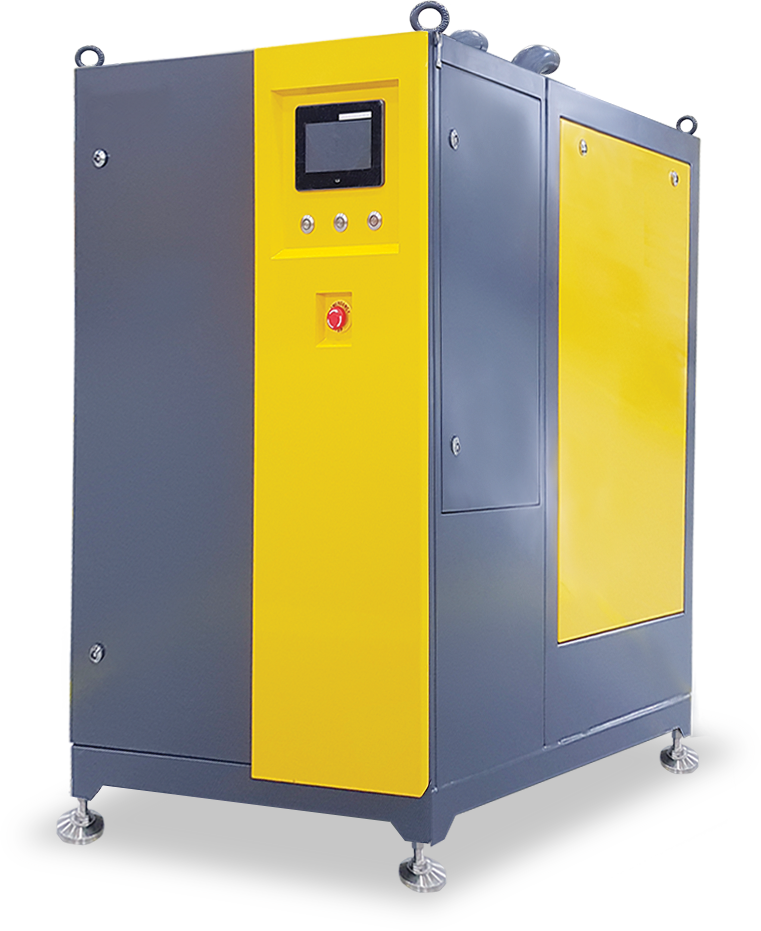
For high speed turbo blowers, clean inlet air and stable ambient conditions help protect the impeller, motor, bearing system, inverter, and control cabinet. A project should confirm inlet filtration, room temperature, air path, service access, and exhaust ventilation before final blower selection.
Typical Applications
- Municipal wastewater treatment plant aeration
- Industrial wastewater biological treatment
- MBR aeration systems
- Oxidation ditch aeration
- Fine bubble diffuser systems
- Roots blower replacement with air bearing or air foil turbo blower
Key Requirements
| Item | Why It Matters |
|---|---|
| Inlet filter grade | Prevents dust and fiber from entering the blower and diffuser piping. |
| Filter pressure drop | Dirty filters increase inlet loss and reduce blower flow capacity. |
| Room ventilation | Removes motor and inverter heat and keeps ambient temperature stable. |
| Fresh air path | Prevents recirculation of hot discharge air back to the blower inlet. |
| Humidity and corrosive vapor | High humidity or chemical vapor can shorten electrical and mechanical life. |
| Maintenance access | Filters, valves, silencer, control cabinet, and instruments need inspection space. |
Selection Parameters to Confirm
- Required airflow, discharge pressure, diffuser depth, and pipe loss
- Blower room ambient temperature and maximum summer temperature
- Dust source near the blower room, inlet louver, or nearby road
- Filter type, pressure drop alarm, and replacement interval
- Power supply, grounding, PLC signal, and VFD control requirement
- Whether the blower room has forced ventilation or only natural ventilation
Common Mistakes
- Installing a turbo blower in a hot room without exhaust ventilation
- Ignoring filter pressure drop during blower pressure calculation
- Putting the inlet near chemical storage, sludge area, or dusty road
- Allowing hot outlet air to recirculate to the inlet side
- Replacing Roots blowers without checking diffuser pressure and pipe loss
Related Reading
- Air Bearing Turbo Blower Installation Checklist for Wastewater Aeration
- Air Foil Turbo Blower Maintenance Checklist for Wastewater Aeration Plants
- Wastewater Aeration Blower Pressure Calculation for Diffuser Systems
FAQ
Does an aeration turbo blower need an inlet filter?
Yes. Even when the process air is atmospheric air, the blower inlet should be protected from dust, fibers, insects, and workshop particles.
Why does blower room temperature matter?
High ambient temperature reduces cooling margin for the motor, inverter, and control system. It can also affect blower stability during continuous operation.
What data should be sent for blower room review?
Please provide room layout, inlet air path, ventilation fan data, ambient temperature, dust source, airflow, pressure, power supply, and site photos.
