
Air Foil Turbo Blower Maintenance Checklist for Wastewater Aeration Plants
An air foil turbo blower maintenance checklist helps wastewater treatment plants keep aeration efficiency stable after installation. Air foil turbo blowers and air bearing turbo blowers are high-speed machines, so daily operating data, inlet air quality, cabinet cooling, filter condition, and discharge pressure should be checked before small issues become shutdown risks.
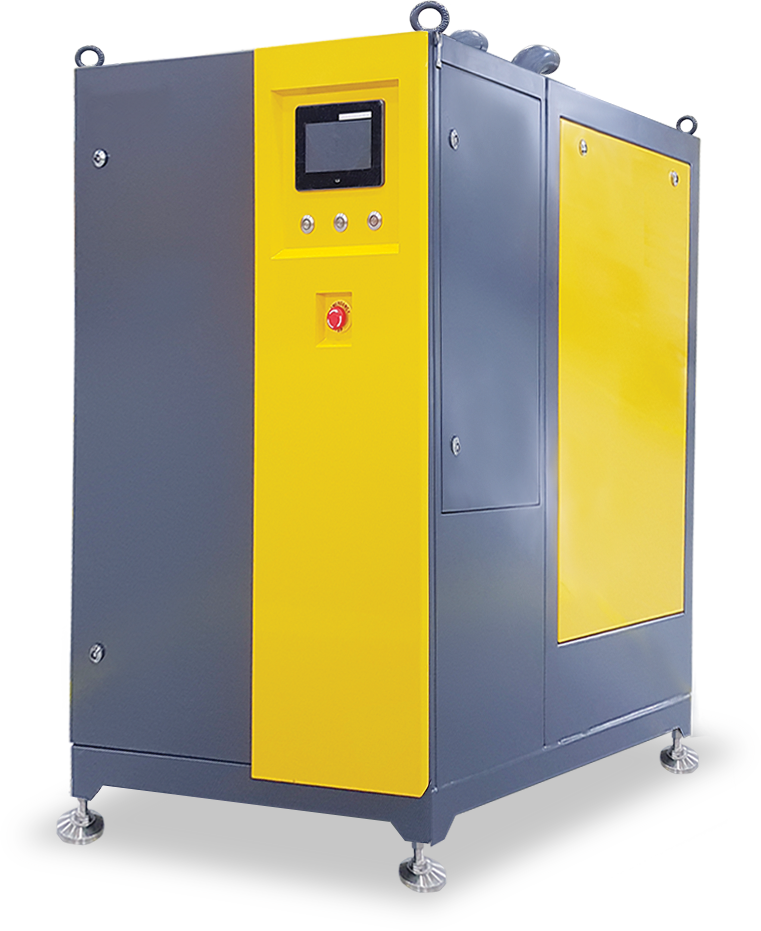
For municipal WWTPs, industrial wastewater aeration, MBR tanks, oxidation ditches, and Roots blower replacement projects, the maintenance focus is different from a traditional Roots blower. The blower does not need oil lubrication in the air end, but it requires clean inlet air, stable electrical supply, correct ventilation, and careful control of operating range.
Typical Applications
- Municipal wastewater aeration blower rooms
- Industrial wastewater biological treatment
- Fine bubble diffuser aeration systems
- MBR process air supply
- Roots blower replacement for energy saving
- DO control and VFD aeration systems
Daily and Weekly Maintenance Points
| Check Item | Recommended Action |
|---|---|
| Inlet filter pressure or cleanliness | Inspect and clean or replace filters before heavy blockage causes high inlet loss. |
| Blower room dust and humidity | Keep the room clean, dry, and ventilated; avoid corrosive vapor and water mist. |
| Discharge pressure trend | Compare with normal data; rising pressure may indicate diffuser fouling or valve restriction. |
| Vibration and abnormal noise | Record changes early and stop operation if vibration rises quickly. |
| Cabinet temperature and cooling fan | Confirm cabinet ventilation and clean dust from cooling paths. |
| Electrical terminals and alarms | Check alarm history, power quality, grounding, and terminal tightness during planned shutdown. |
| Airflow and DO control response | Confirm the blower follows PLC or DO control commands smoothly. |
Operating Data to Record
- Airflow, discharge pressure, motor current, speed, and power consumption
- Inlet temperature, room temperature, cabinet temperature, and humidity
- Filter replacement date and pressure loss trend
- Diffuser cleaning history and aeration tank water depth
- Alarm code, trip reason, restart condition, and operator action
Common Maintenance Mistakes
- Using the blower in a dusty or humid room without adequate filtration
- Ignoring gradual pressure increase caused by diffuser fouling
- Blocking cabinet ventilation or placing the blower too close to walls
- Running outside the recommended flow range for long periods
- Restarting after repeated alarms without checking root cause
Selection and Retrofit Notes
Before replacing a Roots blower with an air foil turbo blower, the site should confirm design airflow, normal airflow, minimum airflow, water depth, diffuser loss, pipe resistance, altitude, voltage, and control interface. A good maintenance plan starts with correct selection and a clean blower room layout.
Related Reading
- Air Foil Turbo Blower vs Roots Blower for Wastewater Aeration Retrofit
- Air Bearing Turbo Blower Filtration and Blower Room Requirements for WWTP
- Wastewater Aeration Blower Pressure Calculation for Diffuser Systems
FAQ
Does an air foil turbo blower need oil lubrication?
The high-speed air end is oil-free, but the full package still requires regular checks of filters, cooling, electrical cabinet, sensors, and operating data.
Why does blower pressure increase after months of operation?
Common causes include diffuser fouling, valve restriction, pipe blockage, wet filters, or changes in water level and aeration demand.
What information is needed for maintenance support?
Please provide blower model, airflow, pressure, operating hours, alarm history, site temperature, filter condition, cabinet temperature, and recent process changes.
