
Air Bearing Turbo Blower Installation Checklist for Wastewater Aeration Projects
An air bearing turbo blower installation checklist helps wastewater treatment plants avoid commissioning problems after replacing Roots blowers or adding new aeration capacity. Air bearing turbo blowers are energy-saving, oil-free high-speed machines, but they require clean inlet air, correct ventilation, stable power supply, suitable piping, and a verified control interface.
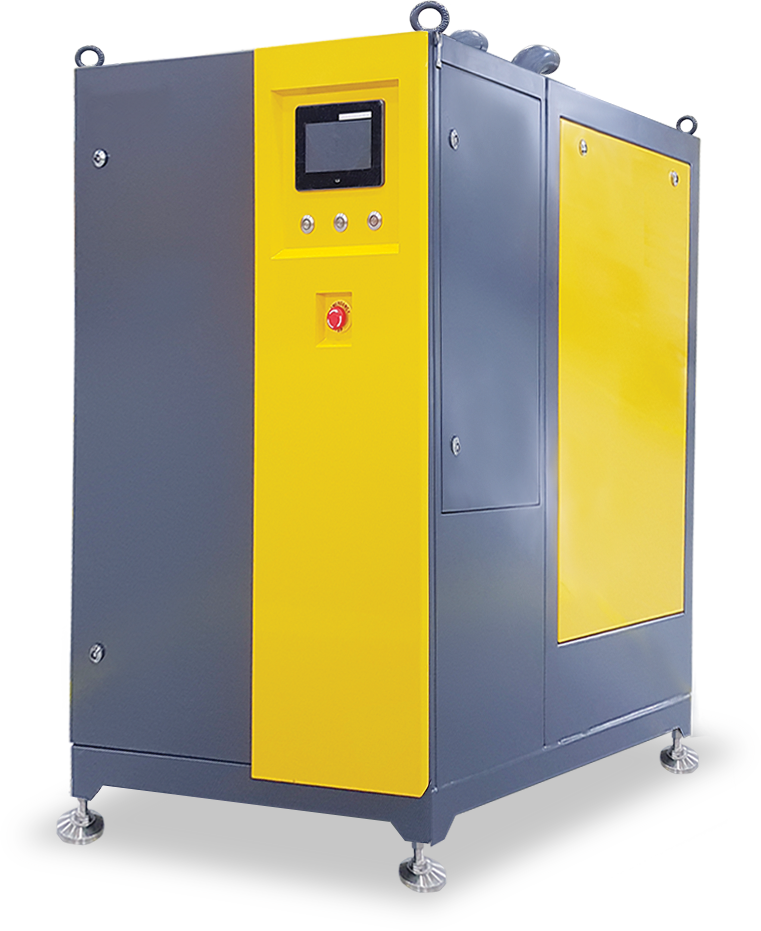
This guide is written for municipal WWTPs, industrial wastewater aeration, MBR tanks, oxidation ditches, fine bubble diffuser systems, and energy-saving blower retrofit projects.
Typical Applications
- Municipal wastewater aeration blower rooms
- Industrial biological treatment aeration
- MBR air supply and membrane scouring
- Fine bubble diffuser aeration systems
- Roots blower replacement projects
- DO-controlled energy-saving aeration systems
Installation Checklist
| Item | What to Confirm |
|---|---|
| Foundation and level | Flat concrete foundation, enough load capacity, and clear maintenance space. |
| Blower room ventilation | Clean and dry room with enough cooling air and no corrosive vapor or water mist. |
| Inlet filtration | Filter grade and replacement plan suitable for local dust and humidity. |
| Pipeline support | Pipe weight should not load the blower outlet; flexible connector is recommended. |
| Check valve and isolation valve | Prevent backflow and allow safe maintenance without stopping the full system. |
| Pressure and flow instruments | Confirm measuring points for commissioning and long-term operation records. |
| Power supply and grounding | Voltage, frequency, phase, cable size, protection, and grounding should match the package. |
| PLC or DO control signal | Confirm start/stop, speed command, feedback, alarm, and communication protocol. |
Commissioning Data to Record
- Airflow, discharge pressure, speed, current, and power consumption
- Inlet temperature, room temperature, cabinet temperature, and humidity
- Diffuser tank water depth and actual operating pressure
- Valve position, DO control response, and low-flow operating condition
- Alarm history, vibration trend, and filter pressure loss
Common Installation Mistakes
- Installing the blower in a dusty or hot room without enough ventilation
- Connecting heavy outlet piping directly to the blower package
- Ignoring diffuser fouling and selecting pressure too close to the limit
- Using unstable power supply or poor grounding for the control cabinet
- Starting automatic DO control before basic manual commissioning is stable
Inquiry Data for Selection
Please send design airflow, normal airflow, minimum airflow, required pressure, tank water depth, diffuser type, pipeline layout, altitude, voltage, frequency, control method, and blower room layout. These values allow Zhichengfans to review blower size, motor power, control range, and installation details.
Related Reading
- Air Bearing Turbo Blower Filtration and Blower Room Requirements for WWTP
- Air Foil Turbo Blower Maintenance Checklist for Wastewater Aeration Plants
- Wastewater Aeration Blower Pressure Calculation for Diffuser Systems
FAQ
Can an air bearing turbo blower replace a Roots blower directly?
It can replace Roots blowers in many clean-air aeration systems, but airflow, pressure, control range, pipe layout, and blower room conditions must be checked first.
Does the blower need a special foundation?
A flat and stable foundation is required. The package should also have enough maintenance space and should not carry pipeline weight.
What causes commissioning problems?
Common causes include insufficient ventilation, dirty inlet air, wrong valve position, unstable power supply, diffuser fouling, and incomplete control signal setup.
