
FRP Exhaust Fan vs Stainless Steel Fan for Corrosive Gas Treatment Systems
An FRP exhaust fan and a stainless steel fan can both be used in corrosive gas treatment systems, but they are not interchangeable. The correct material depends on gas composition, temperature, humidity, corrosion concentration, installation position, and mechanical strength requirements.
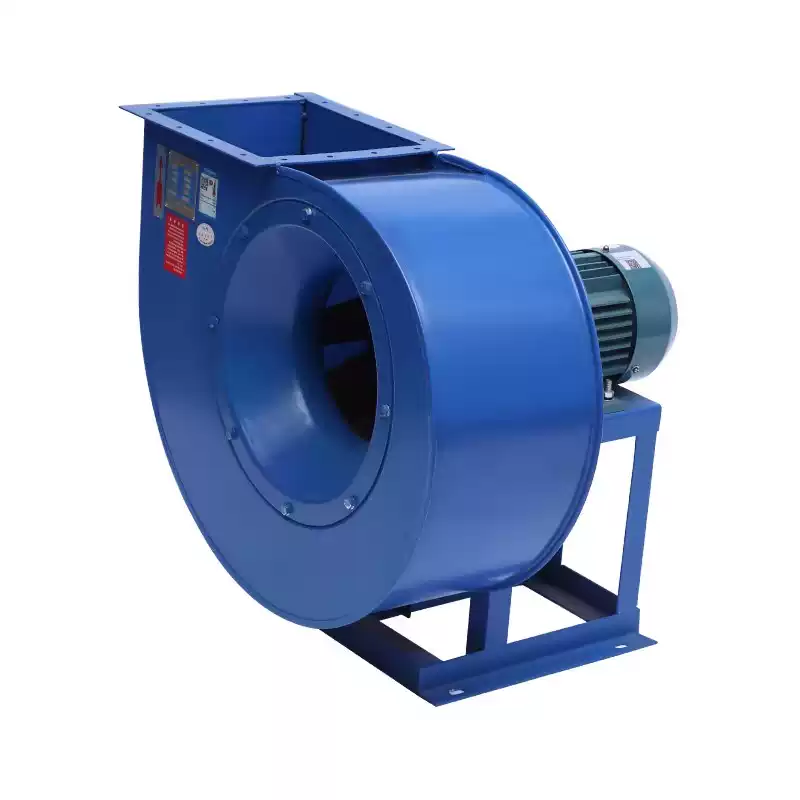
This topic is important for Zhichengfans because many environmental engineering projects involve scrubbers, spray towers, activated carbon systems, acid mist exhaust, alkali gas, and VOC treatment. Material selection is often the difference between a stable fan and early failure.
Typical Applications
- Acid mist exhaust systems
- Alkali gas treatment systems
- Wet scrubber and spray tower exhaust
- Chemical workshop ventilation
- VOC exhaust treatment
- Surface treatment and plating exhaust
- Industrial air pollution control systems
FRP Fan Advantages
- Good corrosion resistance for many acid and chemical gas conditions
- Lower weight than many metal fans
- Suitable for wet scrubber and spray tower systems
- Useful when metal corrosion risk is high
Stainless Steel Fan Advantages
- Better mechanical strength in many industrial conditions
- Suitable for higher temperature ranges depending on grade
- Good for systems needing clean appearance and weldable structure
- Can be selected in different grades such as 304 or 316 according to corrosion requirements
Selection Parameters
- Airflow and total pressure
- Gas composition and concentration
- Temperature and humidity
- Whether liquid droplets or mist may enter the fan
- Explosion-proof requirement
- Fan position before or after treatment equipment
- Motor voltage, frequency, and installation layout
How to Choose
FRP is often considered for strong corrosive wet gas, especially in scrubber systems. Stainless steel is often considered when mechanical strength, temperature, structure, or industrial durability are more important. The final choice should be based on gas chemistry, temperature, and long-term maintenance conditions.
Related Reading
- Scrubber Exhaust Fan for VOC and Chemical Exhaust Treatment
- Industrial Exhaust Fan for Activated Carbon VOC Treatment
- VOC Exhaust Fan for Air Pollution Control
FAQ
Is FRP always better for corrosive gas?
No. FRP is useful for many corrosive wet gas conditions, but temperature, mechanical strength, installation, and gas chemistry must still be checked.
When should stainless steel be selected?
Stainless steel may be better when the system requires higher mechanical strength, higher temperature resistance, or a welded metal structure.
What information is needed for material selection?
Please send airflow, pressure, gas composition, concentration, temperature, humidity, installation position, and corrosion requirement.
