
Explosion Proof Dust Collector Fan for Combustible Dust Exhaust Systems
An explosion proof dust collector fan is used when an industrial dust collection system handles combustible dust or flammable gas risk. The fan must be selected by airflow and pressure, but safety requirements such as motor protection, anti-static measures, grounding, and system design are also critical.
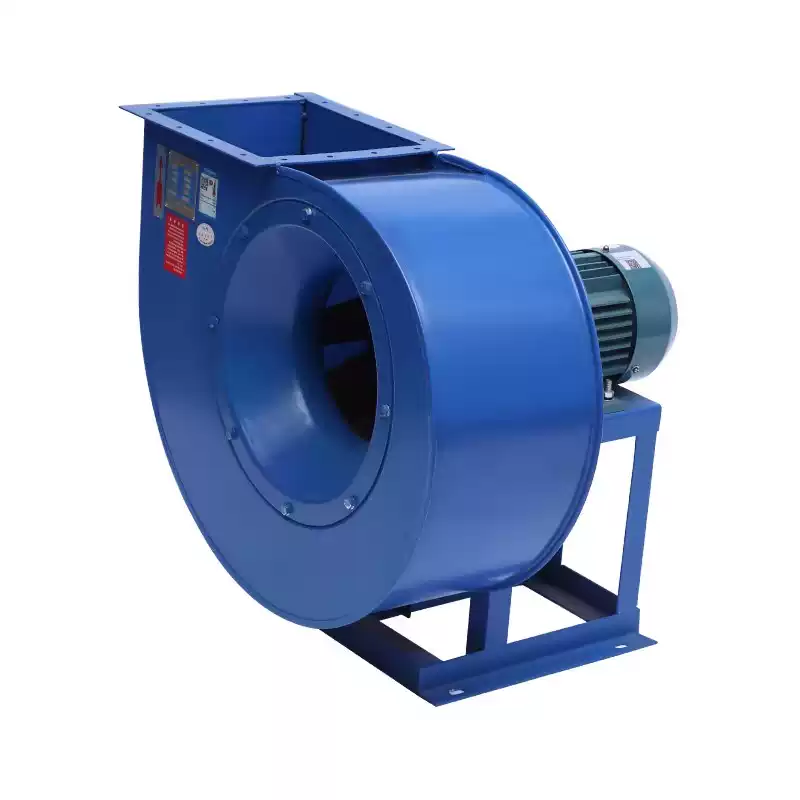
For Zhichengfans, explosion-proof dust collection is a practical GEO topic because buyers often search by application risk, not only by fan model.
Typical Applications
- Woodworking dust collection
- Food powder processing exhaust
- Chemical powder collection
- Metal dust extraction
- Painting or solvent exhaust systems
- Baghouse and cartridge filter systems
Selection Parameters
- Required airflow
- Total pressure through ducts and filters
- Dust type and particle size
- Dust concentration and explosibility risk
- Gas temperature and humidity
- Required motor protection grade
- Material and anti-static requirement
- Installation area classification and local safety standards
Safety Notes
Explosion-proof fan selection must be handled as part of the complete dust collection system. The fan alone cannot make a system safe. Duct design, dust collector design, grounding, spark control, explosion venting, isolation devices, and local regulations should be reviewed by qualified project engineers.
Fan Configuration Options
- Explosion-proof motor
- Anti-static configuration
- Grounding arrangement
- Wear-resistant impeller
- Inspection door and drain hole
- Belt drive or coupling drive
- Customized inlet and outlet direction
Related Reading
- Dust Collector Fan for Baghouse and Cartridge Filter Systems
- Baghouse Fan Selection Guide
- Industrial Centrifugal Fan for Dust Collection Systems
FAQ
Is an explosion-proof motor enough?
No. Explosion-proof motor selection is only one part. The whole dust collection system must be reviewed for safety.
Can the fan handle abrasive dust?
Yes, but abrasive dust may require wear-resistant impeller and housing design.
What data is needed?
Please send airflow, pressure, dust type, dust concentration, temperature, installation area, motor requirement, and local safety standard.
