
High Temperature Circulation Fan Insulation Design for Coating and Drying Ovens
High temperature circulation fan insulation design affects heat loss, bearing life, operator safety, oven temperature stability, and long-term fan reliability. In coating lines, galvanizing lines, drying ovens, curing chambers, and heat treatment systems, the fan casing and drive arrangement should be reviewed together with operating temperature, gas medium, insulation thickness, shaft extension, and maintenance access.
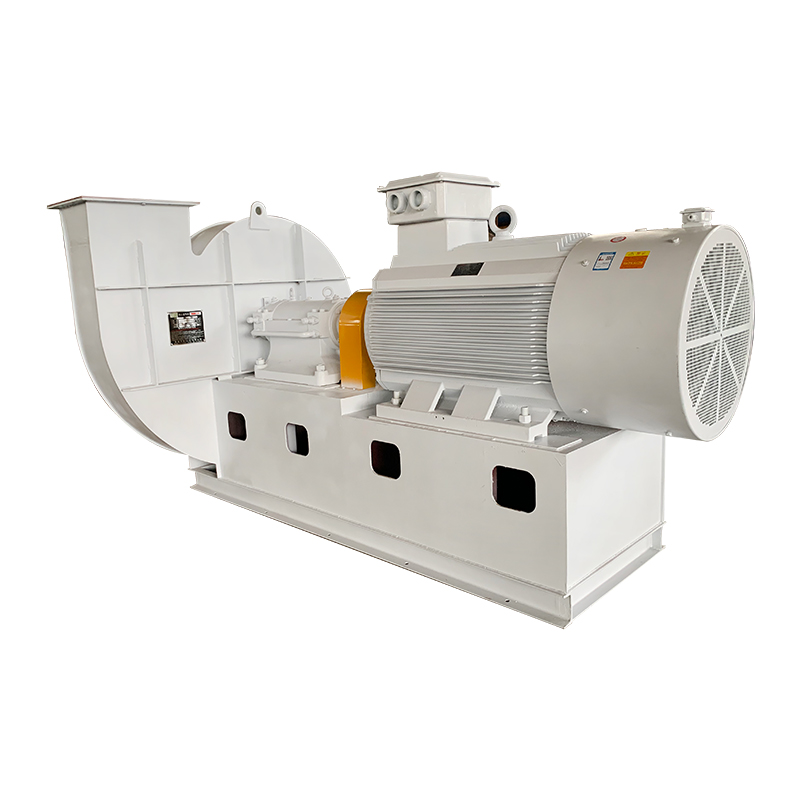
A high temperature circulation fan is often installed close to the oven or furnace body. If insulation and heat isolation are not considered at the design stage, the fan may suffer from casing distortion, bearing overheating, motor heat exposure, loose fasteners, thermal expansion stress, and unstable vibration.
Typical Applications
- Color coating line hot air circulation
- Galvanizing line drying and heating sections
- Paint curing oven circulation fan
- Industrial drying chamber and dryer recirculation
- Heat treatment furnace circulation
- Food, building material, and surface treatment drying lines
Insulation Design Factors
| Factor | Design Consideration |
|---|---|
| Operating temperature | Normal and maximum temperature determine material, insulation thickness, and bearing isolation. |
| Gas medium | Humidity, vapor, solvent, or corrosive gas may require stainless steel or special coating. |
| Double casing structure | Helps reduce surface heat loss and protect surrounding equipment. |
| Shaft and bearing isolation | Extended shaft, cooling disc, or external bearing housing can reduce heat transfer. |
| Thermal expansion | Fan casing, inlet, outlet, and support frame should allow controlled expansion. |
| Maintenance access | Inspection doors, removable insulation panels, and bearing access should not be blocked. |
| Drive arrangement | Belt drive or coupling drive can keep motor away from direct heat. |
Double Insulation Fan Structure
For many high temperature circulation systems, a double casing or insulated casing structure is used to reduce heat loss and keep outer surface temperature lower. The insulation layer should be protected from airflow erosion, water ingress, and maintenance damage. The fan support should also be strong enough for the additional casing and insulation weight.
Bearing and Motor Protection
- Keep the motor outside the hottest airflow zone
- Use extended shaft design when temperature is high
- Consider cooling disc or external bearing housing for bearing protection
- Check bearing temperature during commissioning and normal operation
- Leave enough access for lubrication, inspection, and replacement
Common Design Mistakes
- Adding insulation after installation without checking fan support load
- Blocking bearing access with insulation panels
- Ignoring expansion at inlet and outlet connections
- Using standard paint or seals where temperature is too high
- Placing the motor too close to the oven wall or hot casing
Inquiry Checklist
- Airflow, pressure, normal temperature, and maximum temperature
- Gas composition, humidity, solvent vapor, or corrosive vapor risk
- Fan position: inside oven, outside oven, or connected to duct
- Required casing insulation thickness or surface temperature target
- Drive type: belt drive, coupling drive, or direct drive
- Maintenance space, foundation, inlet/outlet direction, and installation layout
Related Reading
- High Temperature Circulation Fan Material Selection for Coating and Galvanizing Lines
- High Temperature Circulation Fan Bearing Cooling for Drying and Heat Treatment Ovens
- High Temperature Circulation Fan for Continuous Drying Line Airflow Uniformity
FAQ
When does a circulation fan need insulation?
Insulation should be considered when heat loss, surface temperature, operator safety, oven stability, or bearing heat exposure becomes important.
Is double casing always required?
No. It depends on temperature, installation position, heat loss requirement, and maintenance plan. Some applications use external insulation instead.
What data is needed for insulation design?
Please provide airflow, pressure, normal and maximum temperature, gas medium, fan position, insulation requirement, drive type, motor data, and layout drawing.
