
Air Bearing Turbo Blower Control System for Wastewater Aeration
An air bearing turbo blower control system is a key part of wastewater aeration performance. The blower itself must match airflow and pressure, but the control system determines how smoothly the aeration system responds to oxygen demand, pressure changes, and daily load variation.
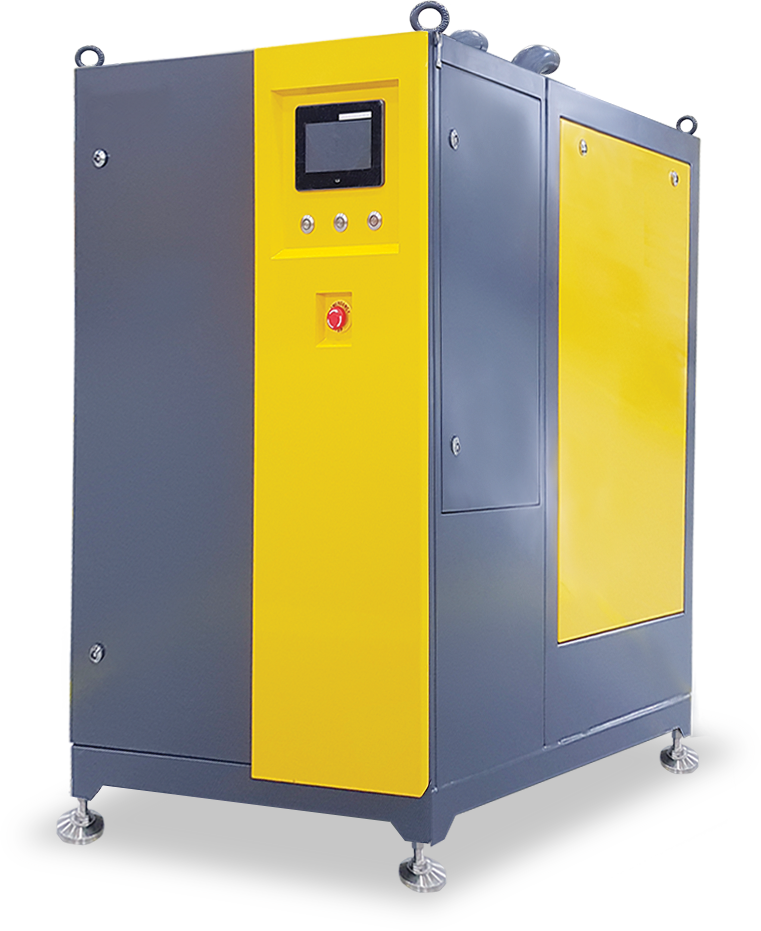
For Zhichengfans, this topic is important because high-end wastewater aeration projects are not only buying a blower. They are buying an energy-saving aeration solution that needs correct control logic, clean inlet air, stable power supply, and clear communication with the plant control system.
Typical Control Requirements
- Variable airflow control
- VFD or high-speed motor control
- Local control panel operation
- PLC communication
- Remote monitoring
- Dissolved oxygen control signal
- Pressure protection and surge protection
- Alarm and fault history
Selection Parameters
- Required minimum, normal, and maximum airflow
- Discharge pressure and aeration tank depth
- Diffuser and pipeline resistance
- Power supply voltage, phase, and frequency
- Communication protocol required by the plant
- Control signal type, such as 4-20 mA or digital communication
- Equipment room temperature and ventilation
- Inlet filtration arrangement
Why Control Range Matters
A wastewater plant may not need maximum airflow all day. If the blower can adjust airflow according to real oxygen demand, the system can reduce unnecessary power consumption. However, the selected blower must still remain inside a stable operating range. The control range should be checked together with pressure and diffuser resistance.
DO Control in Aeration Systems
Many wastewater treatment plants use dissolved oxygen feedback to adjust aeration airflow. In this case, the blower should communicate reliably with the PLC or control panel. The response should be stable, because aggressive control can cause pressure fluctuation or unstable aeration.
Site Conditions
Air bearing turbo blowers should be used for clean air. They should not handle dusty, corrosive, wet, or high-temperature process gas. Clean inlet filtration, good equipment room ventilation, and stable power quality are important for reliable operation.
Related Reading
- Air Bearing Turbo Blower for WWTP
- Wastewater Aeration Blower Energy Saving Retrofit
- Air Bearing Turbo Blower vs Multistage Centrifugal Blower
FAQ
Does an air bearing turbo blower need PLC communication?
Not always, but many wastewater treatment plants require PLC communication, remote monitoring, or dissolved oxygen control integration.
Can the blower run at any airflow?
No. The blower has a stable operating range. Minimum airflow, maximum airflow, pressure, and surge protection should be checked during selection.
What information is needed for control system selection?
Please send airflow range, pressure, voltage, frequency, control signal, PLC communication requirement, site conditions, and whether dissolved oxygen control is required.
